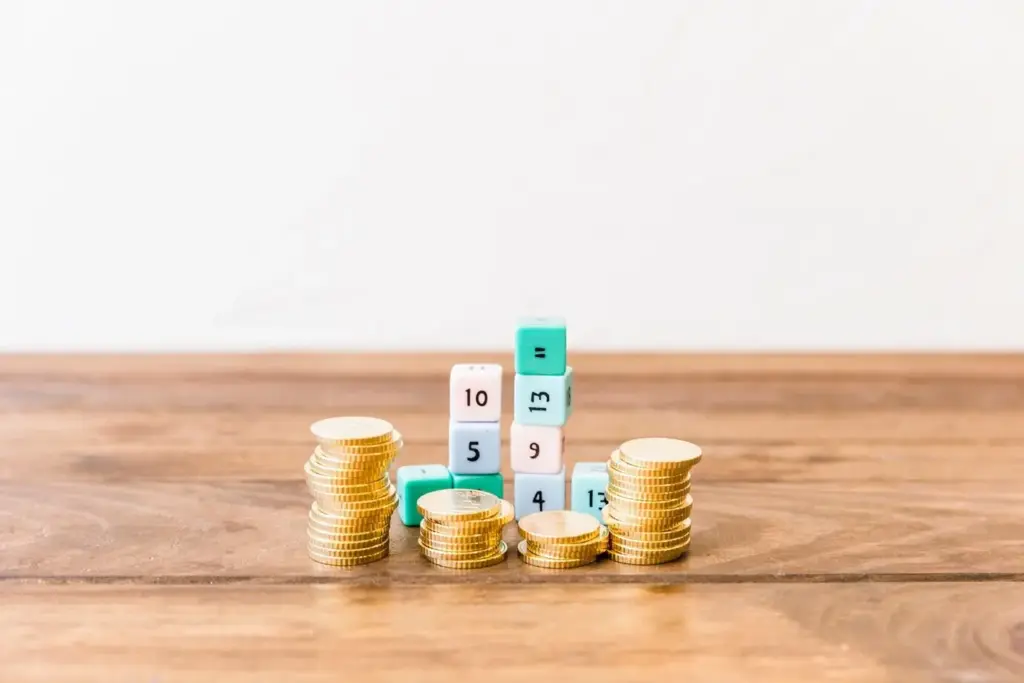
Embrace Voluntary Discomfort, Outsmart Lifestyle Inflation

Today we explore voluntary discomfort challenges to reduce lifestyle inflation by intentionally choosing small, safe hardships that reset our expectations, revive gratitude, and free cash flow. Expect practical experiments, reflective prompts, and compassionate guardrails designed to help you appreciate what you have, spend with intention, and build resilience without drifting into unnecessary austerity or performative extremes. Join in, adapt the ideas to your context, and share your progress so others can learn from your wins, missteps, and surprising moments of clarity.

Reset the Hedonic Baseline

{{SECTION_SUBTITLE}}

A quick story about the $5 coffee that lost its charm

For months, I bought a daily $5 latte without thinking. Then I brewed at home for two weeks, learning milk textures and dialing in grind size. When I returned to the café, the latte felt like a treat again, not a baseline. The contrast restored delight, cut automatic spending, and taught me to choose café moments intentionally, aligned with company, ambience, or celebration rather than habit.

Discomfort as a calibration tool, not punishment

This approach is not self-denial for its own sake. It is controlled contrast, applied safely and temporarily, to reveal what actually matters. A cold shower, a cheap lunch, or a longer walk uncovers where convenience became unconscious. With clarity, you can reintroduce comfort strategically, valuing certain upgrades while removing autopilot consumption. The goal is joyful frugality, not misery, guided by curiosity, boundaries, and kindness toward yourself and others.

Starter Challenges You Can Try This Week

Begin with short, well-defined experiments that are easy to start, simple to measure, and quick to end. Keep safety first, honor medical needs, and invite a friend for accountability. Record before-and-after feelings, spending changes, and any surprising reactions. Treat each challenge like a lab session, not a moral test. If something feels harmful or unsustainable, stop, reflect, and redesign. The objective is clarity and freedom, not hardship heroics or rigid rules that backfire later.

The 48-hour no-spend bubble

Press pause on all non-essential purchases for two days. Groceries you already own, transit passes, and prescriptions are fine. Everything else waits. Notice urges, boredom, and workarounds. Write down every impulse buy you avoided and whether the desire faded. On day three, buy only what still matters. Repeat quarterly to retrain your reflexes, reduce impulse leakage, and learn how much joy reappears when buying becomes a considered choice rather than a restless reaction.

Cold shower streak and thermostat nudge

Try a five-day streak of cooler showers, starting warm and finishing cold for thirty to sixty seconds. Pair it with a two-degree thermostat adjustment to practice tolerance. If you have medical concerns, choose gentler versions like shorter durations or brisk face splashes. Track mood, energy, and bills. This tiny habit builds resilience to discomfort, reduces utility costs, and increases appreciation for warmth when you genuinely need it, not automatically every time.

Walk, bike, or bus for everyday errands

Replace short car trips with walking, cycling, or public transit for one week. Plan routes, pack layers, and time your departures. Notice neighborhood details you usually miss, and observe how your patience, sleep, and spending patterns shift. Often, non-travel benefits emerge: fewer impulse stops, more natural movement, and calmer evenings. Afterward, keep the change for routine errands where alternative transit works, while reserving the car for heavy loads, late nights, or safety concerns.

Food, Hunger, and the Art of Enough

Food comforts and celebrates, but it also tempts lifestyle creep through constant upgrades and convenience. Voluntary discomfort here means cooking from staples, practicing mindful hunger, and delaying gratification without glorifying deprivation or ignoring health. You will likely spend less, waste less, and enjoy meals more. Focus on skill-building, planning, and savoring, not moralizing. If you have medical conditions, consult professionals and choose alternatives that maintain safety while still offering helpful friction and reflective insight.

Seven dinners from staples you already have

Choose a week to cook using pantry and freezer basics before shopping again. Build meals around grains, legumes, eggs, and frozen vegetables, adding spices and creativity. You will discover forgotten ingredients, reduce waste, and appreciate grocery trips as strategic restocking rather than restless browsing. Note savings, time spent cooking, and emotional reactions. Many people report feeling surprisingly wealthy after clearing shelves, realizing abundance was already present and simply needed attention, planning, and playful experimentation.

Delay gratification with a mindful fast

If appropriate for your health, try delaying one meal by one to three hours, drinking water and reflecting on hunger signals. The purpose is perspective, not punishment. Observe how cravings ebb, how productivity shifts, and how your next meal tastes richer. If fasting is unsafe or uncomfortable, substitute a snack delay or a smaller portion with extra vegetables. The point is learning to recognize urges, separate them from needs, and choose with greater intention and calm presence.

Reclaim your coffee ritual at home

Design a home ritual that rivals café charm: music, a clean corner, a favorite mug, and a precise brew method. Track cost per cup and emotional satisfaction. Save café visits for conversation, celebration, or creative breaks, so they remain special. Many find this balance reduces routine spending while increasing joy. The experiment highlights that atmosphere matters as much as ingredients, and small rituals can transform affordable habits into moments of care, craft, and meaningful daily pause.

Home, Clothes, and Digital Comfort

Comfort at home can silently escalate: softer beds, endless outfits, and screens within reach. Introducing controlled friction helps reveal the threshold where comfort enhances life versus numbs it. Try gentler sleep arrangements, capsule wardrobes, and digital boundaries. Expect discoveries about preference, identity, and attention. Maintain safety, adapt for bodies and schedules, and avoid macho escalation. The aim is to reconnect with function and intention, letting comfort serve recovery, focus, and community rather than drive constant upgrading.

Money Mechanics: Measure, Match, and Reinvest
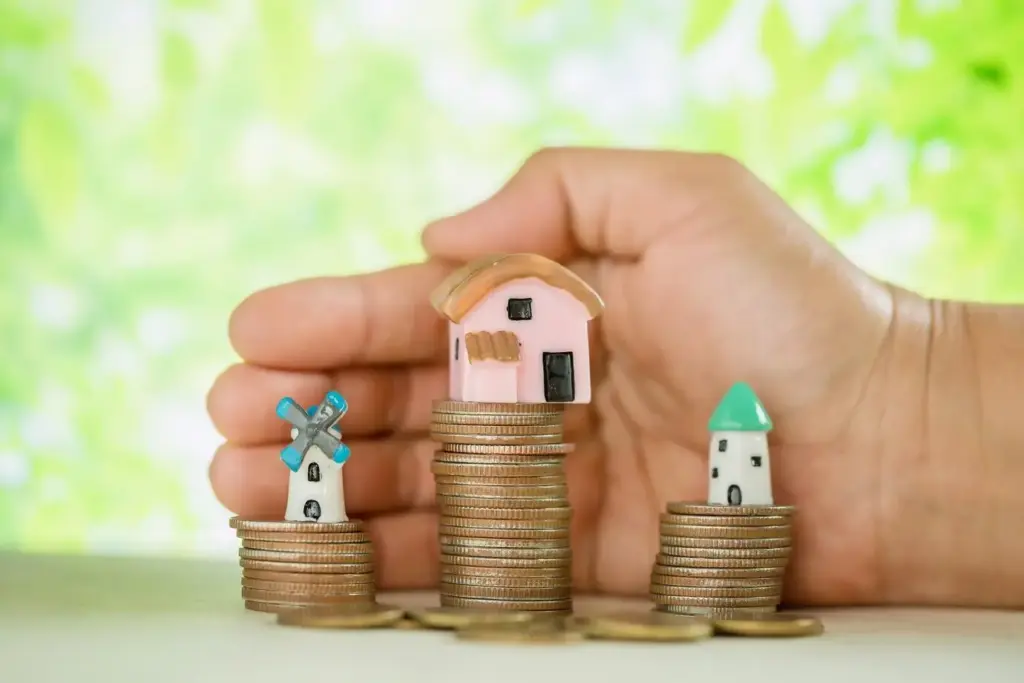
Discomfort challenges work best when you capture the financial effect and reassign it to goals. Measure baseline spending, run experiments, and compare outcomes. Create friction where impulses thrive and ease where values live. Then route savings into debt paydown, emergency reserves, or investment accounts. Automation protects gains when motivation dips. Long term, this closes the loop from intention to behavior, turning small temporary hardships into predictable cash flow that compounds freedom, resilience, and the power to choose intentionally.

Community, Safety, and Sustainable Momentum

Willpower grows in supportive environments. Pair challenges with accountability, honest reflection, and compassionate adjustments. Avoid competitive suffering, respect differences, and prioritize health. Share stories, troubleshoot setbacks, and celebrate small wins. Plan seasons of intensity and seasons of rest. Over time, you will build a flexible practice that resists lifestyle creep without breeding rigidity or shame. The point is freedom and presence: appreciating enough, spending on purpose, and inviting others to explore alongside you with kindness.

Find your accountability circle

Invite a friend, partner, or online community to join. Set start and end dates, define success, and agree on check-ins. Share feelings, not just numbers, because emotions fuel decisions. When schedules collide or life intervenes, adjust rather than abandon. Accountability reduces isolation, keeps experiments playful, and amplifies insights. Consider posting weekly reflections or quick wins to encourage others. Mutual support transforms small discomforts into shared adventures with compounding learning, laughter, and sustainable behavior change over months.

Design a seasonal hardship calendar

Map a year with rotating focus: winter energy frugality, spring transit swaps, summer travel-lite adventures, autumn wardrobe edits. Include deload weeks and celebrations after milestones. Seasonal rhythms prevent burnout, build skills gradually, and suit weather and energy cycles. Evaluate each quarter, keeping what works and discarding what drags. This cadence normalizes discomfort as training rather than crisis. Over time, you will cultivate resilience, lower structural expenses, and protect joy by pacing growth with thoughtful, humane seasons.

Share your story, invite others in

Tell us which challenge surprised you, what you saved, and how your mindset changed. Comment with your adaptations, subscribe for new experiments, and nominate a friend to try one next week. Your experience may be the permission someone needs to start small. Ask questions, request templates, or propose experiments you want tested. The conversation keeps ideas fresh, helps refine safety practices, and turns individual effort into a collaborative movement toward intentional living grounded in gratitude and practical courage.
Femamotatopafuru
Privacy Overview

This website uses cookies so that we can provide you with the best user experience possible. Cookie information is stored in your browser and performs functions such as recognising you when you return to our website and helping our team to understand which sections of the website you find most interesting and useful.